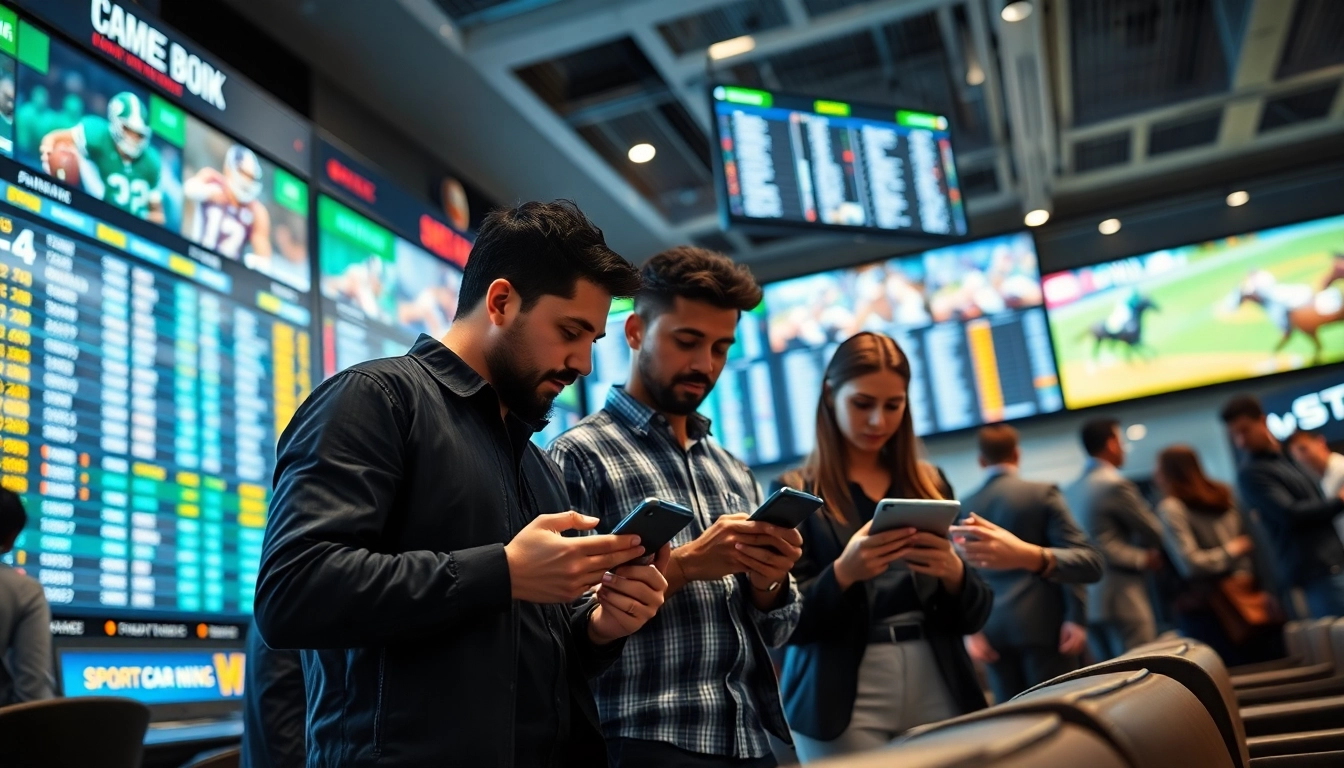
Understanding the Basics of Sports Broadcasting
What is Sports Broadcasting?
Sports broadcasting refers to the live or recorded transmission of sports events to an audience via television, radio, or online platforms. The goal of sports broadcasting is to bring the excitement of competition into homes and devices, making the audience feel as though they are part of the action. This multifaceted industry plays a crucial role in how sports are consumed globally, offering not only play-by-play coverage but also analysis, commentary, and insights that enrich the viewing experience. A major component of sports broadcasting involves skilled commentary, engaging visuals, and clear audio to deliver a seamless and immersive experience. For more details, you can explore the Sports Broadcasting landscape.
Key Roles and Responsibilities in Sports Broadcasting
The world of sports broadcasting is supported by a diverse array of professionals, each playing a crucial role in ensuring the smooth flow of programming. Here are some of the key positions:
- Play-by-Play Announcers: These individuals provide real-time descriptions of the game, ensuring viewers who may not be able to see the action are kept informed.
- Color Commentators: These analysts offer insights during broadcasts, contributing context, statistics, and expert opinions to enhance storytelling.
- Producers: Producers are responsible for orchestrating the broadcast, making decisions about camera angles and managing various technical aspects.
- Camera Operators: They capture all the visual elements of the event, ensuring that crucial moments are seen by the audience.
- Audio Engineers: These professionals manage the sound and audio quality, making sure that commentary, crowd noise, and on-field sounds are balanced and clear.
Types of Sports Broadcasting Formats
Sports broadcasting can take many forms, reflecting the diverse ways in which audiences consume content:
- Live Broadcasts: These are unedited transmissions of sporting events, offering real-time action to fans.
- Recorded Shows: Highlights, recaps, and analysis programs that revisit the action after the event has concluded.
- Online Streaming: With the rise of technology, many sports are now streamed live on platforms like social media and dedicated apps, often including interactive features.
- Podcasting: An increasingly popular format where hosts discuss events, interview athletes, and delve into sport-related topics, providing a different angle to sports coverage.
Essential Equipment for Effective Sports Broadcasting
Microphones and Sound Systems
Quality audio is paramount in sports broadcasting. Clear communication can make or break a broadcast, necessitating the use of high-quality microphones and sound systems:
- Dynamic Microphones: Ideal for high-volume situations, such as stadiums, as they reduce background noise.
- Wireless Microphones: Essential for capturing interviews or sound bites from players and coaches, allowing for flexibility in movement.
- Mixing Consoles: These devices manage multiple audio inputs, ensuring that commentary, crowd noise, and on-field sounds are appropriately balanced.
Cameras and Capture Devices
The visual component of sports broadcasting is equally important. Key equipment includes:
- HD Cameras: High-definition cameras provide crystal clear images that enhance viewer enjoyment.
- Multi-camera Setups: Different angles and perspectives can be captured simultaneously, giving audiences a more robust viewing experience.
- Steadicams: These stabilize camera movement and allow for dynamic shots that follow the action closely, making for an engaging perspective.
Editing and Production Software
In the post-production phase, high-quality editing and production software are critical for creating polished broadcasts:
- Video Editing Software: Software like Adobe Premiere Pro and Final Cut Pro allows for high-end editing, enabling broadcasters to create compelling highlights and features.
- Live Streaming Software: Tools such as OBS Studio can integrate various camera feeds and graphics, improving the live broadcast experience.
- Graphics Packages: Professional-grade graphics enhance the visual storytelling aspect by providing statistics and additional relevant information.
Developing Content Strategies for Sports Broadcasting
Creating Compelling Storylines
A significant element of successful sports broadcasting is the narrative surrounding the event. Compelling storylines can enhance audience engagement and investment in the outcome. Broadcasters should:
- Research player backgrounds and team histories to build rich narratives.
- Utilize statistics and historical data to add depth to the broadcast.
- Incorporate viewer feedback and community stories to reflect the audience’s voice.
Engaging Your Audience Through Interactive Content
Modern viewers seek interactive experiences, making it crucial for broadcasters to integrate features that engage audiences actively. Strategies include:
- Live polls and Q&A sessions during broadcasts to stimulate viewer interaction.
- Encouraging social media posts and hashtags to create community discussions.
- Offering instant replays for key moments, allowing viewers to share and engage further.
Utilizing Social Media for Broadcaster Visibility
Social media platforms serve as essential tools for increasing visibility and fostering connections with the audience:
- Posting behind-the-scenes content to intrigue viewers and provide exclusive insights.
- Creating shareable highlight videos that can go viral, increasing reach beyond traditional broadcasts.
- Engaging consistently with fans through comments and messages to build a loyal following.
Best Practices for Live Sports Broadcasting
Preparing for Live Events: Checklist
Successful live broadcasts require meticulous preparation. A comprehensive checklist can help ensure nothing is overlooked:
- Confirm technical equipment (microphones, cameras, broadcasting tools) is functional.
- Conduct dress rehearsals to address potential timing and commentary issues.
- Ensure all team members understand their roles and confirmed schedules for the event.
- Prepare contingency plans for unforeseen circumstances such as technical failures.
Improving Commentary Skills for Better Engagement
Commentary is a vital part of the sports experience, and improving these skills can elevate the broadcast significantly:
- Study master commentators to learn pacing, tone, and delivery techniques.
- Practice conveying enthusiasm and emotion in commentary to connect with audiences.
- Utilize feedback from peers and audience to refine style and effectiveness.
Managing Technical Challenges During Live Broadcasts
Technical issues can arise unexpectedly during live broadcasts. Preparation and skills can mitigate these challenges:
- Have redundant backup systems in place for audio/video capture.
- Ensure quick communication channels are available among the team to troubleshoot problems instantly.
- Train all personnel on emergency procedures for swift resolution during live events.
Analyzing Metrics and Success in Sports Broadcasting
Understanding Viewership Metrics and Ratings
Analytics play a key role in assessing the success of sports broadcasts. Understanding various metrics can provide invaluable insights:
- Track viewer numbers to identify trends, peak viewing times, and demographic insights.
- Monitor engagement statistics on social media to see how and when audiences engage with content.
- Analyze ratings reports to gauge performance against competitors and identify strengths and weaknesses.
Feedback and Adjustments: Improving Your Broadcast
Gathering and incorporating audience feedback is essential for continuous improvement:
- Utilize post-broadcast surveys to glean viewer opinions on various aspects of the coverage.
- Set up focus groups to discuss broadcast performance and gather detailed insights.
- Regularly review analytics to adjust content strategies and enhance overall broadcast quality.
Long-Term Trends in Sports Broadcasting Performance
Staying ahead of trends can help broadcasters adapt to changing audience preferences and technological advancements:
- Monitor shifts towards online streaming and mobile consumption to adjust strategies accordingly.
- Investigate the impact of emerging technologies such as augmented reality and virtual reality on viewer expectations.
- Evaluate the long-term effects of changing viewer demographics on content delivery and engagement approaches.
FAQs
What qualifications are needed for sports broadcasters?
Typically, a degree in journalism, communications, or related fields is essential. Experience in sports or media can greatly enhance opportunities.
How can I improve my sports commentary skills?
Practice regularly, study successful commentators, and obtain feedback from peers. Engaging in commentary workshops can also help refine your skills further.
What technology is essential for sports broadcasting?
Key equipment includes quality microphones, high-definition cameras, and robust editing software. A reliable live streaming setup is also crucial for real-time broadcasts.
How can I engage viewers during live broadcasts?
Incorporate social media interaction, live polls, and Q&A segments. Personal stories and audience shoutouts can also enhance engagement.
What are the most common mistakes in sports broadcasting?
Forgetting to prepare adequately, ignoring audience engagement, and not managing technical checks can undermine broadcast quality. Continuous improvement is key.